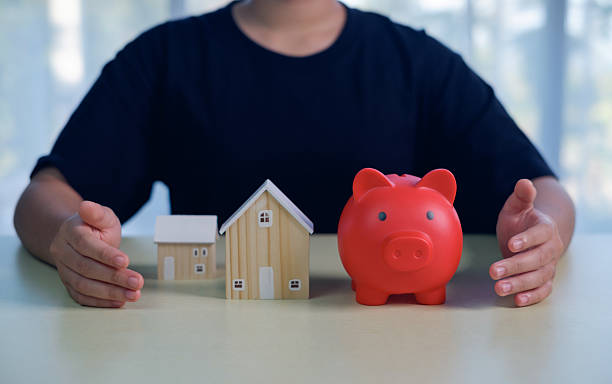

So, real estate… it’s been the go-to “safe bet” forever, right? Everyone from your uncle who brags about his rental apartments to that Instagram influencer showing off their fancy duplex seems to think buying property is a guaranteed win. But honestly, is it really safe in 2026? I mean, I remember just a few years ago, the buzz was all about “property prices always go up!” and suddenly, social media was full of memes about overpriced apartments nobody could afford. People are freaking out about interest rates, inflation, and whether cities are going to boom or bust.
And yeah, I get it. Real estate isn’t like stocks where you can lose everything in a week. But it’s not exactly a free ticket to money heaven either. Think of it like owning a pet tiger: looks cool, feels powerful, but it eats up a lot of money and attention.
The Numbers Don’t Lie… Or Do They?
If you peek at historical data, property prices have gone up long-term almost everywhere. Like in the last 20 years, the average home price in cities like New York or London has grown something like 4-5% per year. Sounds nice, right? But inflation and mortgage interest rates can eat into those gains. For example, if your mortgage rate is 6% and your property value increases by 4%, technically, you’re losing money on paper if you factor in all the fees, taxes, and maintenance. Not exactly the “safe investment” your dad bragged about at family dinners.
And here’s a quirky thing most people don’t notice: real estate markets are super local. Just because property prices are booming in one city doesn’t mean the same happens in a neighboring town. There are little-known stats floating around on Reddit real estate threads about towns where prices actually dropped over the last 5 years—crazy, right? People think if the country’s economy is fine, all properties go up. Nope, not always.
Rental Income: The So-Called Safety Net
A lot of folks talk about rental income as if it’s some magical cash machine. Sure, having a tenant paying you every month feels great. But remember, tenants can bail, maintenance costs pop up unexpectedly, and then there’s property management if you don’t live near your building. I had a friend who rented out a small apartment thinking it would cover her mortgage, and guess what? Half the year the place was empty because she was picky about tenants. She ended up paying more out-of-pocket than she earned.
Also, online chatter is buzzing about “short-term rentals” on platforms like Airbnb being lucrative, but those come with headaches too. Local rules, taxes, and constant cleaning make it less dreamy than the Instagram posts suggest.
Interest Rates and Market Timing: The Wild Cards
One of the sneaky things about real estate is interest rates. If you bought a house five years ago at 3% and suddenly rates jump to 6-7%, new buyers freak out, but you’re chilling. Your fixed mortgage stays the same, your property value may rise slower, but at least your payments are steady. On the flip side, if you’re buying now, higher rates mean bigger monthly payments and slower appreciation. Timing the market is almost impossible unless you have a crystal ball—or a lot of luck.
And trust me, I’ve seen social media blow up with people flexing about “perfect timing.” There’s always that one guy posting his gain from flipping a property in 6 months, but you rarely see the stories of those stuck with a property they can’t sell.
Hidden Costs That Nobody Talks About
People often forget the small stuff. Real estate has a ton of hidden costs: insurance, property taxes, HOA fees, repairs, and even small things like replacing a leaky faucet can surprise you. And don’t get me started on renovations—what sounds like a $5,000 project often ends up $10,000, sometimes double. It’s like your house is quietly laughing at you every time you think you saved money.
Plus, properties are illiquid. Unlike stocks, you can’t sell your house instantly when you need cash. You need buyers, agents, paperwork… it takes months. If some financial emergency hits, you can’t just pull out your money in a week.
The Emotional Factor
Here’s something nerdy but real: investing in real estate isn’t just about numbers, it’s about emotions. People get attached, compare their home value with neighbors, or panic when the market dips a little. That emotional rollercoaster can lead to bad decisions like selling at a loss or over-borrowing. I remember chatting with someone online who admitted they bought a “dream apartment” mostly because their friends were bragging about theirs—classic FOMO move.
So, Is It Still Safe?
Safe is relative. Real estate is generally safer than some volatile stuff like crypto or penny stocks, but calling it completely risk-free is misleading. It’s more like a slow-growing tree—you might get steady fruit if you nurture it properly, but storms, pests, and unexpected droughts (like market slumps) can ruin your harvest. The trick is to be smart: know your market, factor in all costs, be ready for empty months, and don’t over-leverage.
Personally, I’d say if you’re looking for “safety,” diversify. Maybe a mix of property, stocks, bonds, or even some alternative investments. Real estate can still be a great long-term play, especially if you pick locations carefully, understand local trends, and aren’t blind to costs. But it’s not the automatic “win” it’s hyped up to be online.