)
So, picture this: you’re scrolling on Instagram, TikTok, or maybe Pinterest (let’s be real, probably Pinterest if it’s something “aesthetic”), and bam—you see someone transforming a tiny corner of their apartment into some dreamy Scandinavian vibe. It looks easy. Like, five minutes of glue, a little paint, and boom, masterpiece. And then you think, “Yeah, I can do that too.” And that’s where the trouble sneaks in. DIY projects are addictive because they promise creativity, satisfaction, and a tiny bit of bragging rights. But unlike watching a 2-minute reel, actually doing it involves… well, reality.
Overestimating Your Skills
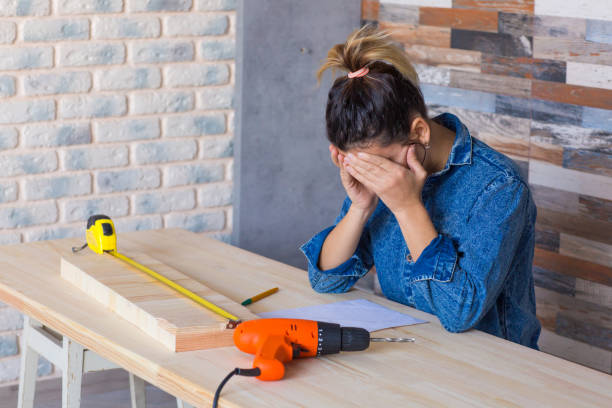
One of the biggest reasons DIY projects go sideways is simple: we think we’re better than we are. I remember trying to build a little wooden shelf for my kitchen. I had watched, like, 10 YouTube videos and felt confident. Tools in hand, measuring tape ready, I thought, “Piece of cake.” Fast forward two hours, and the shelf is wobbling like it had a couple of drinks, and half the screws are sticking out like tiny metal antennae. We all think we can wing it because we’ve “seen it done,” but seeing and doing are worlds apart.
Underestimating Time and Effort
Here’s another classic. Most DIY tutorials make the process look snappy. Paint goes on smooth, glue dries instantly, everything fits perfectly. But in reality, waiting for paint to dry, sanding wood, correcting mistakes, or figuring out why your IKEA-like instructions make zero sense can stretch a project for days—or weeks. Social media feeds don’t show the hour-long break where someone stares at a piece of furniture wondering why it’s refusing to behave. And that’s why patience (or lack of it) is the silent killer of many DIY dreams.
Budget Blowouts and Hidden Costs
DIY often starts with the best intentions and a modest budget. But then, something funny happens—you buy “just a few things” and end up spending double or triple. That tiny plant pot turns into an obsession with matching soil, custom paint, and little decorative stones. And suddenly, your “cheap weekend project” has cost more than a store-bought version. Online forums are full of people admitting that their “simple desk build” spiraled into full-on debt… okay, maybe a small exaggeration, but you get the point. It’s easy to underestimate costs, and before you know it, you’re Googling “how to return superglue you accidentally bought 10 tubes of.”
Ignoring the Details
Small mistakes often lead to the biggest disasters. Misreading a measurement by even a centimeter can throw off an entire project. Skipping steps because they “look unnecessary” or ignoring instructions because, hey, you’re “creative” can lead to glue everywhere, paint on walls, or shelves that lean like the Tower of Pisa. DIY is a game of patience and precision, even if you’re just making a small plant holder or fixing a chair. Details matter, and ignoring them usually comes back to haunt you.
Overconfidence Meets Reality
Here’s the thing: DIY projects often appeal to our desire to “do it ourselves” and feel accomplished. But this overconfidence clashes with reality. People post flawless results on social media, but fail to show the hours of trial and error, mistakes, and failures. It creates this illusion that DIY is easy, and when reality hits, frustration kicks in. I’ve seen people online rage at a project that seemed so simple—like painting a wall. But they forget, painting is more than just slapping color on; prepping, masking, multiple coats—all that stuff is a marathon, not a sprint.
Emotional Rollercoaster
DIY is weirdly emotional. One moment you’re proud, posting a picture thinking, “I made this!” and the next, you’re questioning your entire life because a chair collapsed. People forget that DIY comes with mini heart attacks, stress, and occasional tears (or at least, me). It’s part of the process. Sometimes, it’s funny, sometimes frustrating, but it’s always unpredictable.
Ignoring Your Limits
Another biggie is not knowing when to call it. You might be tempted to fix your roof yourself because there’s a “DIY YouTube tutorial,” but that’s where experience matters. DIY is fun until it turns dangerous. Social media might glorify extreme DIY, but online clout doesn’t pay for hospital bills or ruined materials. Knowing your limits and recognizing when to hire a pro is actually part of being a smart DIYer.
The Social Media Effect
Honestly, a lot of DIY fails come from comparison. Seeing someone else’s flawless project makes us try to replicate it, often without the skills, time, or patience they had. Online chatter and “perfect” posts set unrealistic expectations. People comment like, “Wow, this is so easy!” and suddenly, you feel like a failure because your version looks like it survived a minor apocalypse. Social media rarely shows the mess behind the magic.
The Joy of Failing
Here’s a weird truth: failing is actually part of DIY’s charm. You learn, you adapt, you get a little creative in ways you didn’t expect. Some of the funniest stories, like a shelf that doubles as a leaning tower or a “custom paint job” that looks abstract (some might call it a disaster), end up being the best memories. So while DIY often goes wrong, that’s not necessarily a bad thing—it’s part of the adventure.