
Buying gadgets used to be a whole weekend plan. I still remember going to crowded electronics markets with my cousin, checking ten different shops just to buy a simple pair of earphones. Half the shopkeepers would give random prices, and you’d never know if you were getting a deal or getting scammed a little. Now things are different. Most people just sit on their couch and search for electronics gadgets online and the options suddenly feel endless.
Honestly, it’s kind of crazy how fast this shift happened. A few years ago people didn’t fully trust online gadget shopping. There was always that fear — What if the product is fake? or What if the seller disappears? But now, scrolling through gadgets online feels almost normal, like browsing Instagram reels. In fact, a report I read somewhere said India’s consumer electronics e-commerce market is growing around 20% every year. Not surprising at all if you ask me.
The thing about buying gadgets online is the convenience. You’re not walking through 10 stores anymore. Instead you’re opening 10 browser tabs. And honestly, comparing products that way is way easier.
Why people are shifting to online gadget shopping
One obvious reason is price. Offline stores usually add extra margins, which makes sense because they have rent, staff, electricity and all that. But online stores sometimes cut that middle layer. So prices can be lower, or at least you’ll find more deals floating around.
Another thing is variety. A local electronics shop might show you five models of a product. Online stores? You’ll see fifty. Sometimes that’s actually confusing. I once spent almost an hour comparing three different mini speakers and ended up not buying anything because I couldn’t decide.
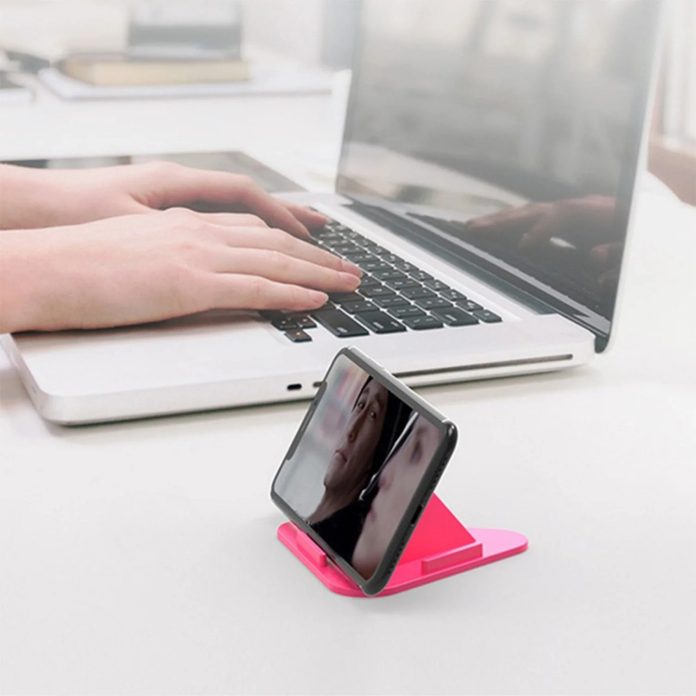
But still, that variety is useful. You find small gadgets that local shops rarely stock. Things like mini LED lights for desks, portable phone stands, USB fans, tiny Bluetooth receivers… those weird but surprisingly useful devices.
And if you’ve ever spent time on tech YouTube or gadget Instagram pages, you probably noticed something funny. A lot of those viral must-have gadgets are usually found through electronics gadgets online rather than in physical shops.
The weirdly addictive world of gadgets
Let’s be honest for a second. Gadgets are kind of addictive.
You buy a simple phone stand… then suddenly you want a cable organizer. Then maybe a mini desk lamp. Then a magnetic phone holder for your car. None of these things are life-changing, but they somehow make everyday tasks easier.
It’s a bit like kitchen tools. You don’t need a fancy avocado slicer… but once you have it, you wonder why you didn’t buy it earlier.
A friend of mine once bought a small rechargeable motion sensor light for his wardrobe. Not exactly a revolutionary product, but he still talks about it like it’s the smartest purchase he made that year.
These small gadgets solve tiny annoyances we didn’t realize we had.
Online stores make discovering gadgets easier
One interesting thing about shopping gadgets online is how much discovery happens. You go looking for one product and end up finding three others you didn’t know existed.
Algorithms play a big role in this. Scroll through a product page and suddenly recommendations pop up. Sometimes it feels like the website knows what you might need before you do.
There’s also a lot of chatter about gadgets on social media. Twitter threads, Reddit communities, YouTube shorts… people constantly share cool gadgets under ₹500 or Amazon gadgets you didn’t know you needed. Some of them are gimmicks, sure. But some are genuinely useful.
That’s why having a place where you can easily browse electronics gadgets online matters. You’re not just shopping. You’re exploring.
What people usually look for when buying gadgets
From what I’ve noticed, people usually focus on three things.
Price comes first. Nobody wants to overpay for a simple gadget. If two stores sell the same item, the cheaper one usually wins.
Then there’s usefulness. A gadget should solve a real problem. Otherwise it becomes that random object lying in a drawer after two weeks.
And the third thing is simplicity. Complicated gadgets rarely survive long in daily use. The best ones are the simple ones you start using without even thinking about it.
For example, a phone holder that clips to your desk. Or a small rechargeable torch during power cuts. Or even a USB hub when your laptop suddenly runs out of ports.
These aren’t huge innovations. But they make daily life slightly smoother.
Online shopping is basically the new gadget market
If you think about it, the internet has quietly replaced those old crowded gadget markets. Instead of walking through rows of shops, we scroll through pages.
And honestly… it’s kind of better this way. Less noise, less confusion, and way more options.
Plus you can shop anytime. Late night, early morning, during lunch breaks. The store never really closes.