
Concrete pavers are a popular choice for driveways, patios, paths, garden areas, and outdoor entertaining spaces. They are strong, practical, and available in many shapes and designs. However, the quality of the finished paver depends on more than just the concrete mix. Choosing the right concrete paver moulds and using them correctly can make a major difference.
For businesses, landscapers, builders, and DIY users, a good mould can help create consistent pavers with clean edges and an even finish. The right mould can also make production easier and reduce wasted materials.
BCJ Plastics provides practical plastic fabrication solutions for customers who need reliable moulding and plastic products. If you are planning a paver project, understanding how moulds work can help you get better results.
How Concrete Paver Moulds Help Create Better Results
A paver mould gives wet concrete its shape while it cures. This makes the mould an important part of the production process. A well-designed mould helps produce pavers that have consistent dimensions, smooth surfaces, and defined edges.
When selecting concrete paver moulds, consider the size, shape, material, and intended use of the finished pavers. Moulds that are easy to handle and release can also save time during production.
Choose the Right Mould Size and Shape
The first step is choosing a mould that suits your project. Pavers can be square, rectangular, curved, or made in custom patterns. Think about where the pavers will be installed and how they will fit together.
For paths and patios, consistent sizing is especially important. Pavers that vary too much in size can make installation difficult and create uneven gaps.
If you are producing several pavers, using moulds with the same dimensions can help maintain a uniform appearance. Custom moulds may also be useful when a standard size does not meet your requirements.
Focus on Strength and Durability
Strong pavers start with a suitable concrete mix, but the mould also plays an important role. A mould needs to hold its shape while the concrete is poured, compacted, and cured.
Durable plastic moulds can be useful because they are lightweight and easy to handle. They can also be designed for repeated use, depending on the application and construction.
To improve the strength of your finished pavers, make sure the concrete is mixed correctly and compacted properly. Avoid adding too much water, as this can affect the final strength of the concrete.
The curing process also matters. Allowing concrete enough time to cure helps it develop its intended strength. Always follow the requirements of the concrete mix you are using.
Make Demoulding Easier
One common challenge when making concrete pavers is removing the cured or partially cured concrete from the mould. If the mould is difficult to release, edges can become damaged and production can take longer.
A suitable mould design can make demoulding much easier. Smooth surfaces, appropriate flexibility, and a practical shape can all help the finished paver come out cleanly.
Before starting large-scale production, test the mould with your selected concrete mix. This can help you identify problems with sticking, cracking, edge damage, or surface finish.
Good mould maintenance is also important. Clean moulds after use and inspect them regularly for cracks, distortion, or other signs of wear. Proper care can help extend the useful life of reusable moulds.
Consider Custom Plastic Solutions
Not every project can be completed with an off-the-shelf product. If you need a specific shape, size, or design, custom plastic fabrication may provide a better solution.
BCJ Plastics works with plastic products and fabrication requirements across different applications. Its capabilities can be useful for customers looking for practical, made-to-purpose plastic solutions.
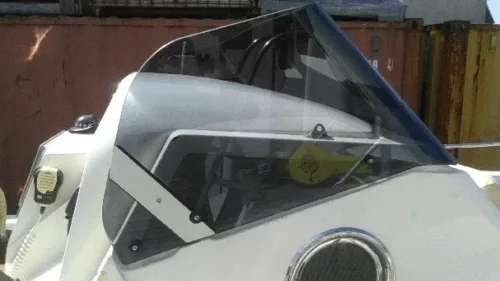
The same focus on fit and function applies to other fabricated products. For example, a boat windscreen kit may require carefully shaped plastic components that are designed to suit a particular application. While a boat windscreen kit is very different from a concrete paver mould, both demonstrate the value of choosing a product that is made for its intended purpose.
For commercial paver production, custom moulds can be particularly useful when you want to create a distinctive shape or maintain a specific design across multiple projects.
Plan Your Paver Production Carefully
Before ordering or creating concrete paver moulds, consider how many pavers you need and how often you will use the moulds. A DIY homeowner may have different requirements from a landscaping business or commercial manufacturer.
Think about:
- The required paver dimensions
- The shape and surface pattern
- The expected number of uses
- The type of concrete being used
- How the finished pavers will be removed
- Storage and cleaning requirements
Planning these details early can help prevent unnecessary costs and production delays.
A quality mould is an investment in consistency. When combined with the right concrete mix, careful preparation, proper compaction, and suitable curing, it can help you produce pavers that look better and perform reliably.
Get the Right Plastic Solution from BCJ Plastics
Choosing the right concrete paver moulds can improve consistency, simplify production, and help you achieve a professional finish. Whether you need standard moulding products or a custom plastic solution, it is worth considering the design, durability, and practical requirements of your project.
BCJ Plastics can help businesses and customers explore plastic fabrication options suited to their needs. If you require custom concrete paver moulds, specialised plastic components, or other fabricated plastic products, contact BCJ Plastics to discuss your requirements and find a practical solution for your project.