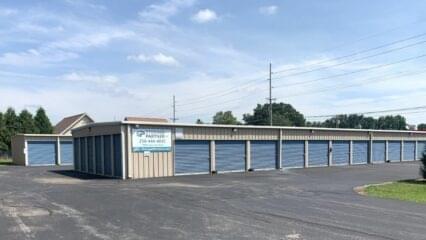

Packed garages and crowded spare rooms often push households toward renting additional storage space. Temperature-sensitive belongings usually last much longer when protected from heat, humidity, and seasonal weather shifts. Climate controlled storage offers stronger protection than standard storage units, but renters should still understand how these spaces work before moving valuable items inside.
Climate Controlled Storage Protects More Than Electronics
Many renters assume climate controlled storage only matters for televisions, computers, and gaming systems. Wood furniture, paper documents, mattresses, artwork, musical instruments, and fabric materials also react poorly to unstable temperatures. Humidity quietly damages belongings long before visible warning signs appear.
Leather furniture may crack while family photographs fade or warp during extended storage in uncontrolled conditions. Indoor temperature regulation helps reduce moisture buildup that affects sensitive materials over time. Storage units near me often include climate options specifically designed for belongings vulnerable to environmental damage.
Unit Size Matters More Than People Expect
Smaller storage units fill quickly once furniture, stacked containers, and seasonal decorations move inside. Tight layouts create access problems because renters often stack items too closely together to save space. Overcrowding also increases the chance of accidental damage during loading or unloading.
Larger layouts provide room for walkways, safer stacking, and better organization throughout the storage period. Extra breathing space helps preserve furniture surfaces and delicate belongings by reducing pressure between packed items. Climate controlled storage works best when renters leave enough room for airflow and accessibility.
Are Indoor Units Easier to Access During Bad Weather?
Outdoor storage access becomes frustrating during heavy rain, freezing temperatures, or intense summer heat. Indoor climate controlled storage usually provides covered hallways and enclosed loading areas that improve comfort while moving belongings. Protected access also helps reduce water exposure during unloading.
Elevators and flat carts often make transporting heavy furniture easier inside larger indoor facilities. Safer walking conditions become especially important for renters carrying electronics, antiques, or fragile boxes. Storage units near me with indoor layouts frequently simplify long-term storage visits throughout changing seasons.
Moisture Still Matters Even in Controlled Environments
Climate controlled storage reduces humidity problems, but poor packing habits can still trap moisture around belongings. Sealed plastic wrapping without airflow sometimes creates mildew inside furniture coverings and fabric containers. Damp items stored too quickly may also spread odors throughout enclosed spaces.
Breathable covers and dry packing materials help preserve belongings much more effectively during long-term storage. Elevated shelving and organized spacing improve ventilation between stored items as well. Proper preparation remains important even inside professionally regulated storage units.
Certain Items Should Never Go Into Storage Units
Food products, flammable chemicals, propane tanks, fireworks, and living plants create serious storage risks regardless of climate control. Perishable materials attract pests while hazardous products may create fire dangers inside enclosed buildings. Many facilities prohibit these items entirely for safety reasons.
Battery-operated devices also deserve attention because leaking batteries can damage surrounding belongings over time. Renters often benefit from reviewing storage guidelines carefully before moving items into climate controlled storage spaces. Responsible storage habits protect both personal property and neighboring units.
Long Term Costs Depend on What You Are Protecting
Climate controlled storage generally costs more than standard units because indoor systems regulate temperature and humidity year-round. Higher monthly rates sometimes discourage renters initially, yet replacement costs for damaged belongings often become far more expensive later. Furniture restoration and electronics replacement can quickly outweigh storage savings.
Sentimental belongings usually carry emotional value impossible to replace financially. Family heirlooms, legal paperwork, collectibles, and photographs often deserve stronger protection during extended storage periods. Storage units near me offering climate regulation frequently provide better long-term value for sensitive household items.
Organization Inside the Unit Makes Future Access Easier
Poor organization creates frustration months later when renters cannot locate important belongings buried behind crowded stacks. Labeling systems and open pathways help reduce unnecessary unpacking during future visits. Organized layouts also lower the risk of tipping boxes and damaged furniture.
Shelving units, clear containers, and grouped categories make climate controlled storage much easier to manage long term. Frequently used items usually belong near the entrance while seasonal belongings can remain farther back. Storage Partner helps renters choose storage options that protect valuable belongings while improving organization, accessibility, and long-term storage safety for households needing dependable extra space.