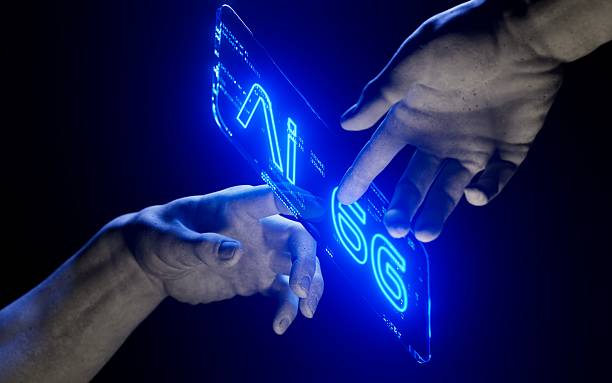

Sometimes it honestly feels like technology is playing a prank on us. You buy a new phone, peel that satisfying plastic, feel like a king for maybe three weeks… and then boom. A new model drops. Faster, thinner, smarter, probably judging you silently too. I used to think this was just marketing drama, but nah, something deeper is happening here.
Technology really is moving faster than our brains can process. And no, it’s not just you feeling old at 25.
That Feeling of “Wait, When Did This Happen?”
I remember when cloud storage sounded scary. Like, my files are floating somewhere in the sky? What if it rains? Now people casually store their entire life online and don’t even remember passwords half the time. This shift didn’t take decades. It barely took a few years.
The weird part is, we don’t notice tech changing day by day. It’s like weight gain or weight loss. One day you look in the mirror and think, hold on… when did this happen?
Social media makes this worse. One random night you scroll X or Instagram and suddenly everyone is talking about some new AI tool, crypto thing, or app you’ve never heard of. You feel late to the party even though the party started like yesterday.
Money, Speed, and a Lot of Pressure
Here’s the boring-but-important truth. Money pushes speed. A lot.
Tech companies don’t have the luxury of slowing down. Investors want growth, users want new features, and competitors are breathing down their neck like that annoying guy in a queue who stands way too close.
Think of it like a food delivery app. Once one app promises delivery in 30 minutes, everyone else has to do it in 25. Not because it’s healthy. Just because survival.
In finance terms, faster innovation means faster returns. But it also means faster mistakes. Ever noticed how apps launch half-broken now? “We’ll fix it in the next update” has basically become a business model.
We Built Tools That Build Tools
This part still messes with my head. Technology now helps create more technology.
Earlier, humans had to do everything manually. Now software writes code, AI designs chips, algorithms test algorithms. It’s like teaching a kid to ride a bicycle and suddenly the kid starts building motorcycles.
A small example. Website builders used to be basic. Now they design layouts, suggest content, optimize speed, and sometimes even write the text. As a writer, that’s slightly scary. As a lazy human, it’s kinda impressive.
This self-feeding loop is one reason things feel out of control. Once systems start improving themselves, humans are no longer the bottleneck.
We Overestimate Short-Term, Underestimate Long-Term
This is a classic mistake, and I fall for it every time. When new tech launches, people say either “this will change everything tomorrow” or “this is useless.”
Both are usually wrong.
Take AI chatbots. Early versions were clumsy and funny. People made memes, laughed, moved on. Now companies are quietly integrating them into customer service, finance tools, medical research. No big noise, just slow takeover vibes.
It’s like compound interest. One percent daily growth sounds boring. Until you zoom out and realize it turns into madness over time. That’s how tech sneaks up on us.
Online Hype Makes It Feel Faster Than It Is
Twitter threads, YouTube thumbnails screaming “THIS CHANGES EVERYTHING”, LinkedIn gurus pretending they predicted it all… social media adds rocket fuel to the perception of speed.
Half the time, the tech itself isn’t fully ready. But the conversation around it is on steroids. Everyone wants to be early, first, smartest. So timelines fill with hot takes before real-world impact even shows up.
I’ve seen people panic about job losses from automation before the software even worked properly. Meanwhile, the actual boring tools quietly replacing jobs don’t trend at all.
Humans Are Bad at Adapting Emotionally
Here’s a slightly uncomfortable truth. Our biology is outdated. Our brains evolved to worry about predators, not password managers.
Technology upgrades every year. Humans upgrade every few generations. That gap creates anxiety, confusion, and that constant feeling of being behind.
That’s why older generations say “things were simpler back then” and younger ones say “how did people live without this?” Both are right. Just from different emotional timelines.
Lesser-Known Stuff People Don’t Talk About
One small stat I read somewhere and it stuck with me. A huge percentage of modern software features are never even used. They exist because competition forced them to exist, not because humans asked for them.
Another weird thing. Many startups admit they’re racing not to innovate, but to avoid becoming irrelevant. That’s a very different motivation, and it leads to rushed decisions, experimental launches, and yes, chaos.
Also, internal tools change faster than consumer tech. Banks, logistics companies, and factories are upgrading systems quietly. By the time consumers notice, the backend world has already moved on.
A Small Story From My Own Life
I helped a friend set up a simple online store a few years ago. Back then, it took weeks. Payments, hosting, security, design, all separate headaches.
Recently, another friend did the same thing in one afternoon. One platform, few clicks, done. Same goal, totally different effort.
That’s when it hit me. Tech didn’t just move fast. It erased entire layers of effort without asking permission.
Technology isn’t speeding up evenly. It’s jumping in bursts. Long quiet phases, then sudden leaps. And humans are terrible at predicting jumps.
Honestly, the scary part isn’t that tech is changing fast. It’s that one day it might slow down, and we won’t know what to do with ourselves.